
Sri Lanka’s wildlife calendar
If you’re looking to go on a wildlife adventure of a lifetime, you can’t go much wrong with picking Sri Lanka as your destination. Not only is it packed with 26 world renowned national parks filled with big game, it is also arguably the best place in the world to see the largest creature of them all – the blue whale! If you’re looking for the best time to visit Sri Lanka for spotting wildlife, check out our wildlife calendar which shows when in the year is the best time for seeing the various exotic creatures that call Sri Lanka home
January
Land animals and birds
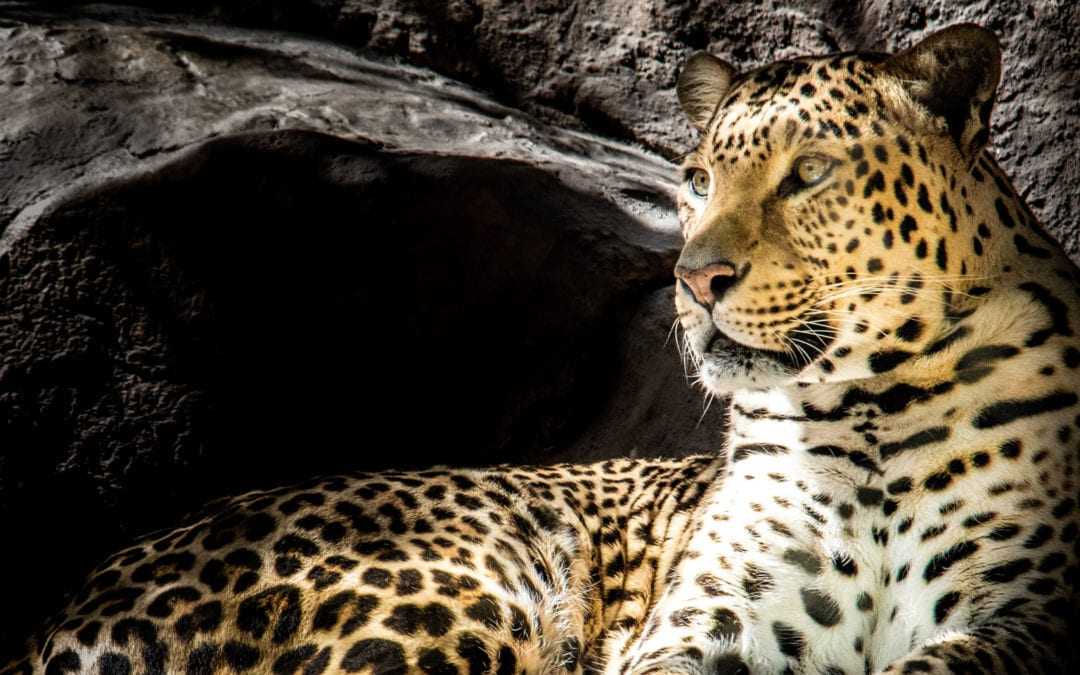
- Leopard (Yala and Wilpattu National Parks)
- Elephants (Udawalawe) Primates (Cultural Triangle)
- Large Reptiles
- Dragonflies and Butterflies
- Sinharaja bird wave
- Migrant birds
Sea life
- Blue Whale (Mirissa)
- Spinner Dolphin
February
Land animals and birds
- Leopard (Yala and Wilpattu National Parks)
- Elephants (Udawalawe)
- Primates (Cultural Triangle)
- Large Reptiles
- Dragonflies and Butterflies
- Sinharaja bird wave
- Migrant birds
Sea life
- Blue Whale (Mirissa)
- Spinner Dolphin
March
Land animals and birds
- Leopard (Yala and Wilpattu National Parks)
- Elephants (Udawalawe)
- Primates (Cultural Triangle)
- Large Reptiles
- Dragonflies and Butterflies
- Sinharaja bird wave
- Migrant birds
Sea life
- Blue Whale (Mirissa)
- Spinner Dolphin
- Green Turtle
April
Land animals and birds
- Leopard (Yala and Wilpattu National Parks)
- Elephants (Udawalawe)
- Primates (Cultural Triangle)
- Large Reptiles
- Dragonflies and Butterflies
- Sinharaja bird wave
Sea life
- Blue Whale (Mirissa)
- Spinner Dolphin
- Green Turtle
May
Land animals and birds
- Leopard (Yala and Wilpattu National Parks)
- Elephants (Udawalawe)
- Primates (Cultural Triangle)
- Large Reptiles
- Dragonflies and Butterflies
- Sinharaja bird wave
Sea life
- Green Turtle
June
Land animals and birds
- Leopard (Yala and Wilpattu National Parks)
- Elephants (Udawalawe)
- Primates (Cultural Triangle)
- Large Reptiles
- Dragonflies and Butterflies
- Sinharaja bird wave
Sea life
- Green Turtle
July
Land animals and birds
- Leopard (Yala and Wilpattu National Parks)
- The Elephant Gathering at Minneriya
- Elephants (Udawalawe)
- Primates (Cultural Triangle)
- Mugger Crocodile (Yala)
- Large Reptiles
- Dragonflies and Butterflies
- Sinharaja bird wave
Sea life
- Green Turtle
August
Land animals and birds
- Leopard (Yala and Wilpattu National Parks)
- The Elephant Gathering at Minneriya
- Elephants (Udawalawe)
- Primates (Cultural Triangle)
- Mugger Crocodile (Yala)
- Large Reptiles
- Dragonflies and Butterflies
- Sinharaja bird wave
September
Land animals and birds
- Leopard (Yala and Wilpattu National Parks)
- The Elephant Gathering at Minneriya
- Elephants (Udawalawe)
- Primates (Cultural Triangle)
- Mugger Crocodile (Yala)
- Large Reptiles
- Dragonflies and Butterflies
- Sinharaja bird wave
October
Land animals and birds
- Leopard (Yala and Wilpattu National Parks)
- Elephants (Udawalawe)
- Primates (Cultural Triangle)
- Large Reptiles
- Dragonflies and Butterflies
- Sinharaja bird wave
November
Land animals and birds
- Leopard (Yala and Wilpattu National Parks)
- Elephants (Udawalawe)
- Primates (Cultural Triangle)
- Large Reptiles
- Dragonflies and Butterflies
- Sinharaja bird wave
- Migrant birds
Sea life
- Blue Whale (Mirissa)
- Spinner Dolphin
December
Land animals and birds
- Leopard (Yala and Wilpattu National Parks)
- Elephants (Udawalawe)
- Primates (Cultural Triangle)
- Large Reptiles
- Dragonflies and Butterflies
- Sinharaja bird wave
- Migrant birds
Sea life
- Blue Whale (Mirissa)
- Spinner Dolphin
Book your Sri Lanka wildlife holiday
We specialise in the customised tours to Sri Lanka and regularly create exciting wildlife holidays to the island that specifically suit our traveller’s wants and needs. Whether you’re interested in big game, a bird watching enthusiast, want to catch a glimpse at the majestic blue whale, or you’re looking for an experience that takes in a bit of everything, get in touch today!
UNESCO World Heritage Sites of Sri Lanka
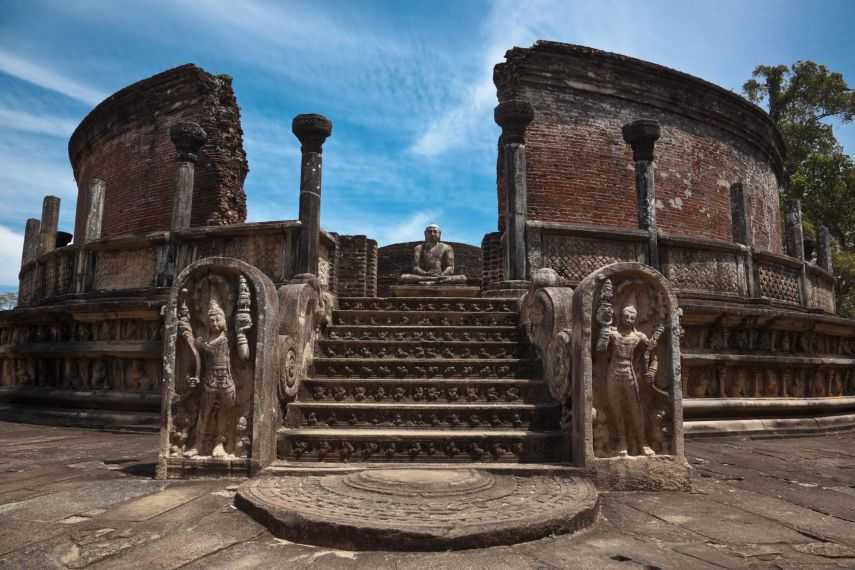
With an astounding eight UNESCO World Heritage Sites – more than Egypt with its ancient tombs, sphinxes and great pyramids – it is little wonder that Sri Lanka is known as the ‘Pearl of the Indian Ocean’.
Six of the eight are ancient cultural sites and mark some of the most important events and accomplishments of Sri Lanka’s two thousand year history. The other two are natural wonder which boast some of the highest bio-diversity found anywhere in the world.
Sri Lanka’s eight UNESCO World Heritage Sites are:
Ancient City of Polonnaruwa
Ancient City of Sigiriya
Golden Temple of Dambulla
Old Town of Galle and its Fortifications
Sacred City of Anuradhapura
Sacred City of Kandy
Horton Plains
Sinharaja Forest Reserve
During your holiday to Sri Lanka you’ll get to experience the massive historic monuments, ancient ruins, hidden temples and a gigantic rock fortress touching the clouds. These World Heritage Sites demonstrate and represent Sri Lanka’s rich past and civilization.
Sri Lanka, the best wildlife holiday destination in the world
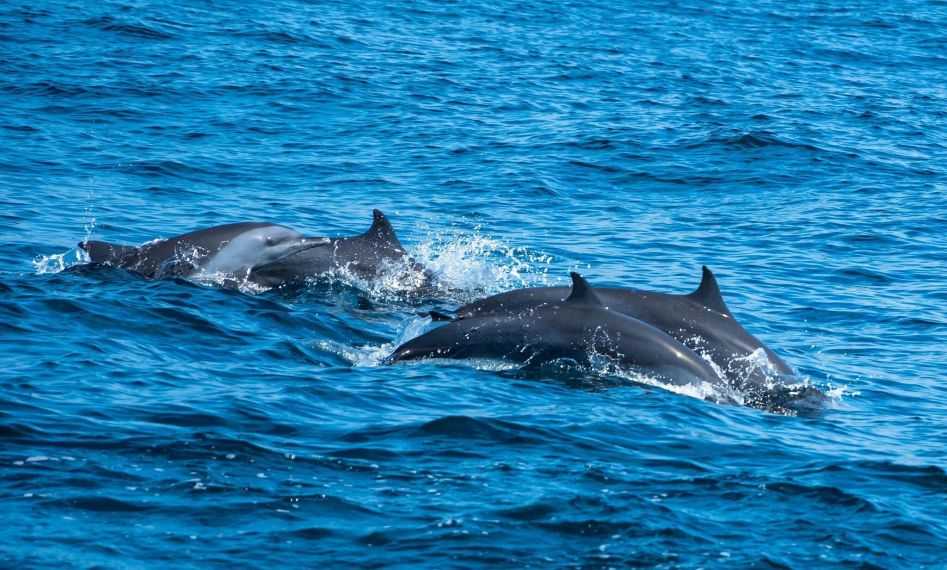
It’s a bold claim, but one that is unmistakably true. Blessed with amazing bio-diversity, high encounter rates and with both stunning land and marine wildlife to be seen, Sri Lanka is the best wildlife holiday destination in the world.
Sri Lanka has always been fortunate to have its dazzling mix of big game animals, marine life and array of endemic species. However, it’s only with the islands recent development that traveling across the island to see the impressive wildlife is that much easier thanks to the decent tourist infrastructure now in place.
Routinely ranked as the number one destination to spot Blue Whales and Leopards, and the best place for big game safaris outside of Africa, all on a compact, well developed island – Sri Lanka is undoubtedly the best overall wildlife holiday destination.
Here are some of Sri Lanka’s wildlife highlights:

Recent Comments