by admin-unique | Feb 12, 2020 | Activities To Do in Sri Lanka, Beach Holidays, Blog, Family Holidays, Family Holidays in Sri Lanka, Family Holidays to Sri Lanka, Family Tours in Sri Lanka, Family Tours to Sri Lanka, Tours In Sri Lanka, Travel Tips
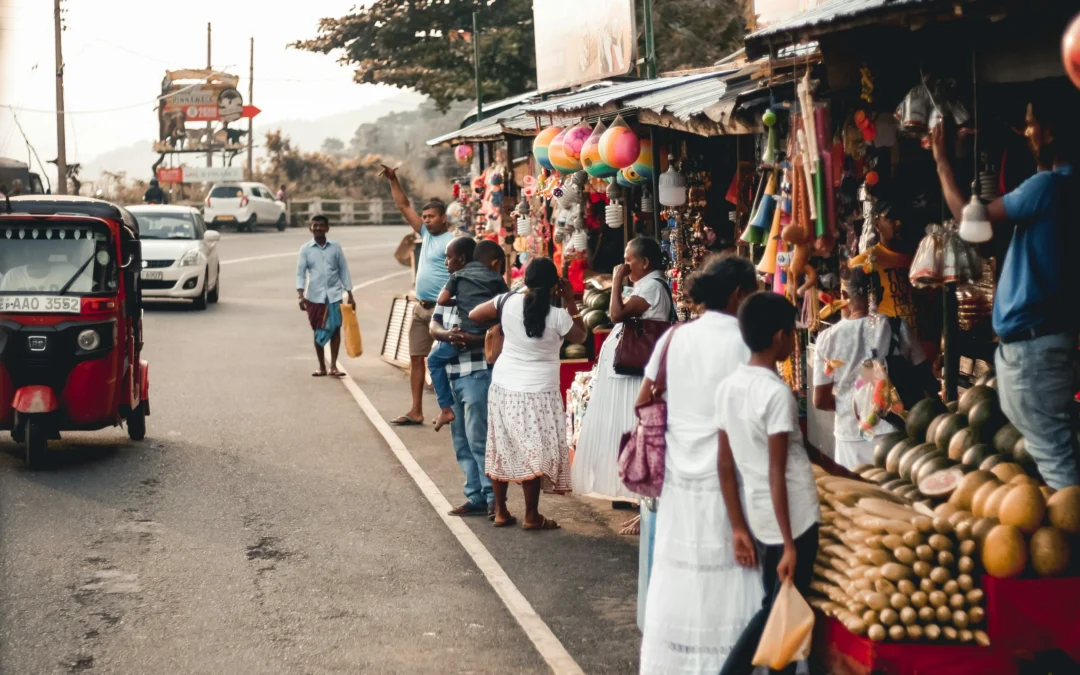
People travel to Sri Lanka to enjoy the wide, sandy beaches, Amazing Wildlife, Ancient cities and Temples, Mystical Mountains and Tea and fun activities such as Rafting and Biking.
When travelling to Sri lanka it is recommended to check out the Weather, as bad timing could affect your Holiday experience in Sri Lanka.The island’s weather is dictated by two key Monsoons and they occur at two different times and effective in different parts of the Country.
Hence, Sri Lanka is seen as a Year round holiday destination and you need to pick the best time to travel, as per your Wish list. July and August are the best Months to swim in the Sea in the North and the East. January to March is the best time to swim in the Sea on the South and the East coast.
Between November and April you can go Whale Watching in Sri Lanka. The best Surf Season in the South and South West is between November and March. The East [Arugambay] is best from May till September. The World famous Procession in Kandy is been held in August.May to September is the best Time for Wildlife. Best Time for Hiking is from January till March. The coolest Month is December and the hottest is May.The wettest Months are May, June, September and October.
Despite Sri Lanka being a small Island its Weather patterns are quite complicated due many Environmental factors. Within a space of four Hours you could easily move from one Climatic Zone to another.
Sri Lanka is a perfect Destination to get away from The European Winter. The best Beaches are Unawatuna, Mirissa, Tangalle & Bentota on the South and in the North and East the best Beaches are Trincomalee, Pasikudah and Arugambay.
The best National Parks are Yala, Minneriya and Wilpatthu. The cultural Heritage highlights are Anurathepura, Polonnaruwa, Sigiriya, Dambulla and Kandy.
For Hiking Knuckles, Sinharaja, Ella Rock and Horton Plains are the best places. If you would like some Peace and Quiet The Hantana Mountain , Kirigal Pottha, Thotupola Kanda and the Knuckles Range are ideal hideaways.

by admin-unique | Jun 7, 2019 | Blog, Travel Tips
The whale watching season in Sri Lanka is fast approaching – commencing November and going on until the end of April (outside of this time, the seas are too rough).
The boats leave Mirissa on the southern Sri Lankan coast at approx. 7am and will be out for between 3 and 5hrs (depending on sightings and sea conditions). It is pretty much guaranteed that you would see Blue Whales, but you would be likely to see Spinner Dolphins too and if you are lucky, a Sperm Whale. Your first sighting of a Blue Whale is breath-taking – the magnificent creature can be up to 100ft (30m) (of which you will see a third) long and weigh 200 tons, living between 80-90yrs. Before diving, the whales emit a single spout of up to 30ft (9m) high, and their tail (fluke) will then appear out of the water. Each dive will last about 10mins and the whales will dive to depths over 100m eating approx. 3.5 tons (600 kgs) of krill in a single day. That’s a whole lot of krill!
by admin-unique | Jun 7, 2019 | Beach Holidays, Blog, Honeymoon and Romantic Getaways, Hotels, Travel Tips
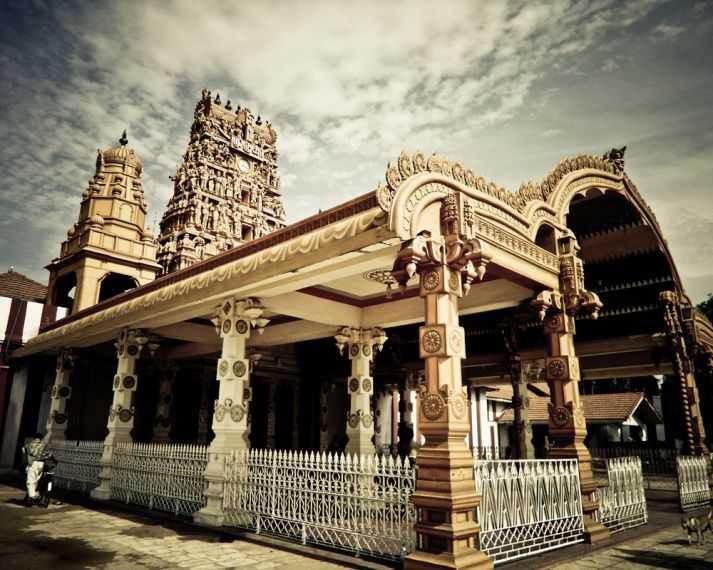
Known as the Pearl of the Indian Ocean, Sri Lanka is renowned for its beauty, culture and trademark Sri Lankan hospitality, making it the ideal luxury destination.
We have selected the best that Sri Lanka has to offer for our tours; whether it be National Parks, historical sites or hotels, for a truly luxury tour of Sri Lanka.
by admin-unique | Jun 6, 2019 | Adventure Travel, Blog, Family Holidays, Family Holidays in Sri Lanka, Family Holidays to Sri Lanka, Family Tours in Sri Lanka, Family Tours to Sri Lanka, National Parks, Tours In Sri Lanka, Travel Tips, Wildlife and National Parks, Wildlife Safaris
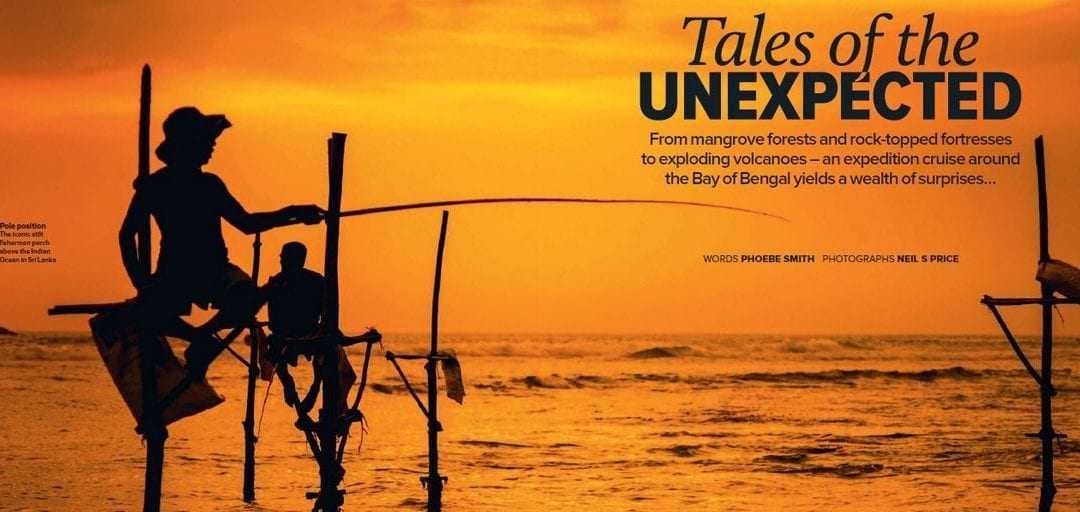
This month’s Wanderlust Travel Magazine cover story takes their readers on a voyage of the Indian Ocean, the highlight being the incredible experience of exploring Sri Lanka’s cultural gems and witnessing her stunning wildlife up close.
The first-hand experience of the magazine’s writer Phoebe Smith (and the amazing photographs taken on the journey by Neil S Price) takes the reader on an epic journey around the Bay of Bengal where they explore mangrove forests, the rock-top fortress of Sigiriya and exploding volcanoes.
by admin-unique | Jun 6, 2019 | Adventure Travel, Blog, Tours In Sri Lanka, Travel Tips, Wildlife and National Parks, Wildlife Safaris
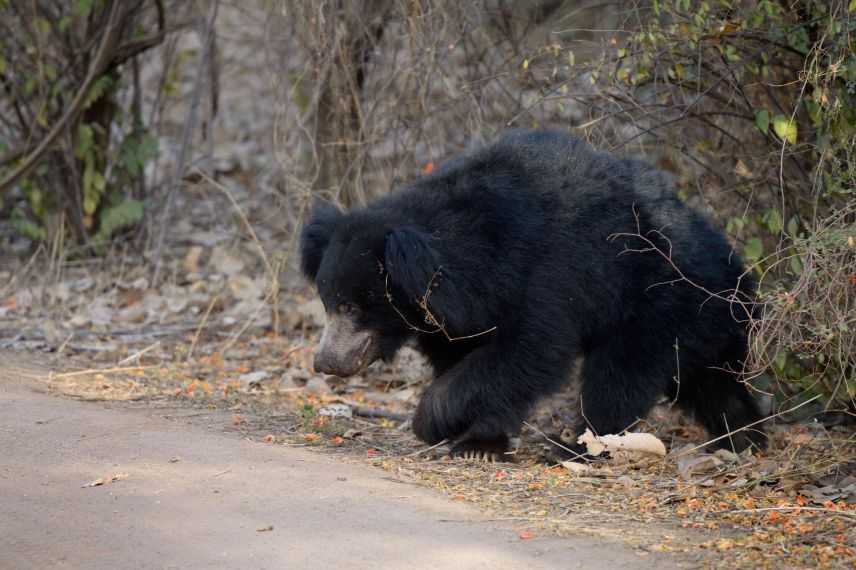
A sub-species of the Sloth Bear, the Sri Lankan Sloth Bear is a rare and highly threatened species with as few as 500 reported in the wild. Thankfully the National Parks of Wilpattu, and particularly Yala, preserve these unique mammals which are best spotted in the parks during the month of June.
With their distinct thick black coats and hairless snouts, the Sloth Bear is an omnivore which usually consumes insects which it finds in trees by using its long snout and powerful smell. The bear very rarely kills other animals and typically eats berries, nuts and roots alongside insects.
Due to its diet, the Sri Lankan Sloth Bear is very much dependant on the lowland forests in the dry-zone of the island where its staple food sources are found. Unfortunately, the recent destruction of these zones across the island has left the bear highly threatened with as few as 500 thought to still be in the wild.
by admin-unique | Jun 6, 2019 | Blog, Travel Tips
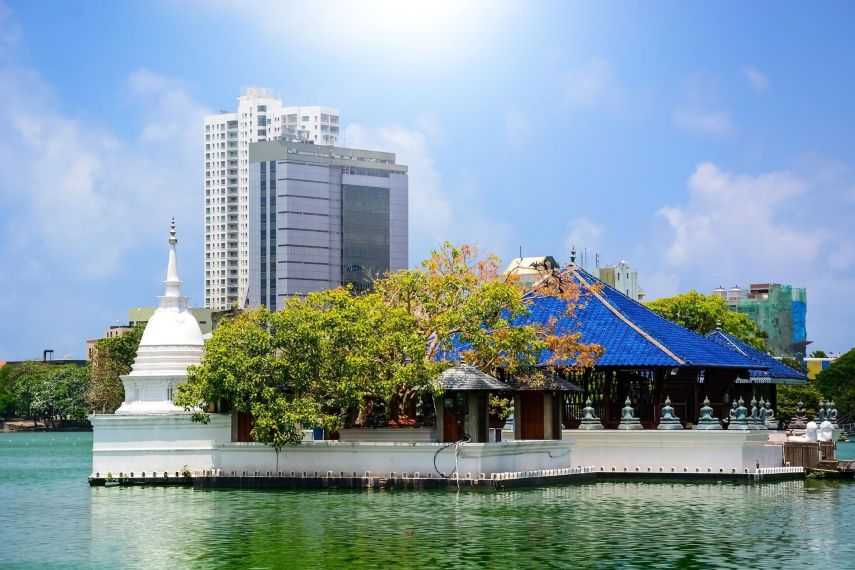
Colombo is the largest city in Sri Lanka and is an interesting mix of the old European architecture of the past and the modern commercial centre that it is fast becoming.
Our Luxury holiday of Sri Lanka includes a city tour of Colombo, including a stay in the world famous 5 star Casa Colombo hotel in the heart of the city.</P.

Recent Comments